
Writing After Real Grief
Making Art When the Muse Goes Silent
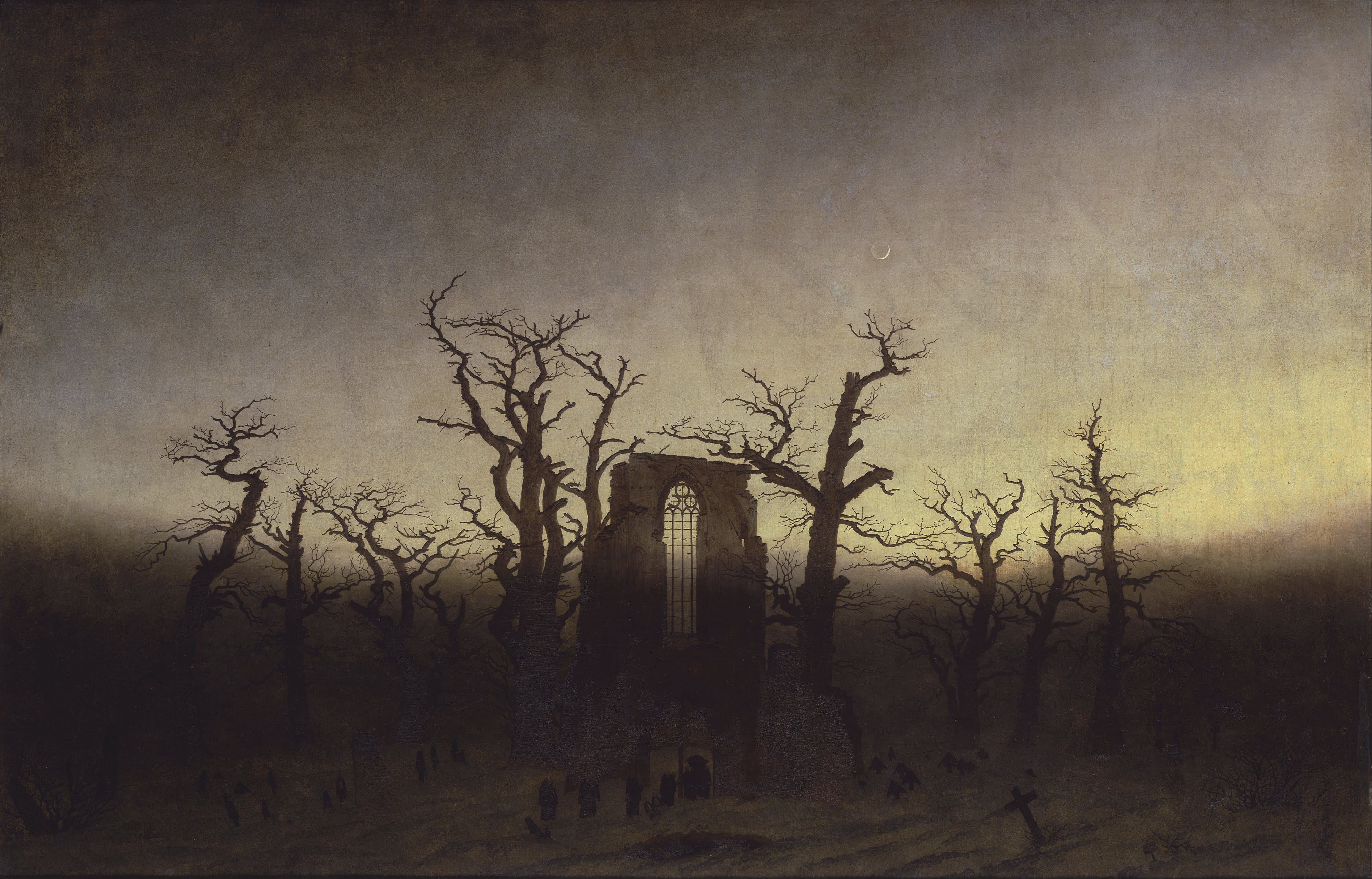
After a flood. After bankruptcy. After sitting in oncology waiting rooms for a year, without the happy ending, you don’t wake up the next morning healed. You wake up and decide whether to do the next small thing.
There’s no timer on grief. No dashboard. No signal that the worst of it has passed. You don’t get a notification that says, Conditions improving. You may resume normal life.
When my wife died, I was in the middle of writing what would become my first published book. I finished it the following year.
I don’t know if that makes for a heroic anecdote. It didn’t feel heroic. It felt more like running a marathon.
My prose changed under the weight of it. I can see that now. It grew leaner. Maybe harder in places. Or maybe that’s projection. It’s difficult to measure what grief does to language from inside it.
What I know is that I finished.
Not because writing felt cathartic. It rarely did. But because continuing felt like the only honest option available. I had made up my mind that I was going to be a writer, and dammit, I would find a way.
Grief doesn’t move on your schedule. It settles in and doesn’t have an ETA to disappear. It looms over everything, including the page.
There were stretches when writing did not feel like oxygen. It felt like work. The well did not overflow. It barely registered.
Grief can drain urgency, mute imagination, make everything feel trivial, or make writing feel indulgent.
And pain does not automatically produce art. That’s a comforting myth. Sometimes it produces silence. Sometimes it produces a kind of emotional static that makes imagination feel distant. The muse stops talking to you altogether.
In those seasons, writing isn’t inspiration. It’s structure.
Scene. Character. Conflict.
Beginning, middle, end.
Paragraph by paragraph.
When emotion is unreliable, craft is not. You outline. You draft. You lean on the mechanics you learned before the weather turned. You let discipline carry what inspiration cannot. You revise because the work still matters, even if your internal landscape has shifted.
You write because you said you would. You are a writer. You don’t want grief to own the room.
Not because you feel like it.
Some days the well feels dry. It doesn’t mean there’s nothing left. It means you work with what you have.
There will be days you can’t do it at all. That’s real. But if writing is a priority, you find your way back. Maybe not every day. Maybe not even most days at first. But you return.
Not because it’s noble. Not because it fixes anything. This isn’t about transformation. It’s about refusing to give in.
Endurance is not glamorous. It doesn’t feel like growth. It feels like showing up when you’re not sure what you have left to say.
And then something good happens. There comes a morning when you feel marginally lighter. You realize it’s been a few days or weeks where things have been getting easier. The muse is speaking to you again. And you didn’t realize how heavy the weather was until it began to clear. You realize that you’ve been carrying more than you knew. And that you kept writing anyway.
But because the work is still there.
And so are you.